



Drawn & Quarterly

BOOM! Studios

HarperCollins
Sphere

But the real links were the casual acquaintances we made along the way.
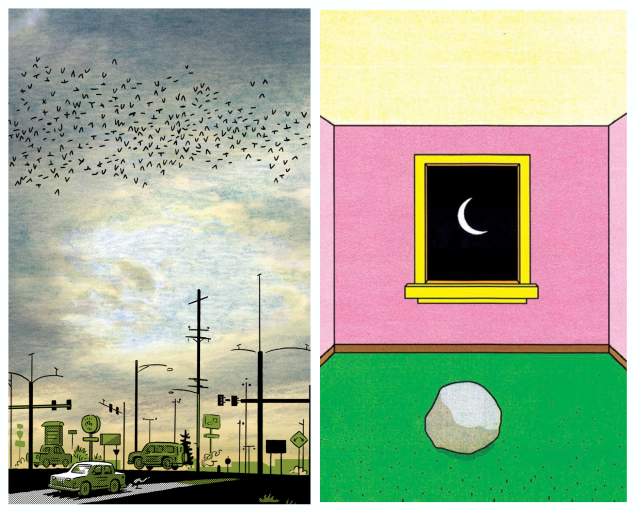
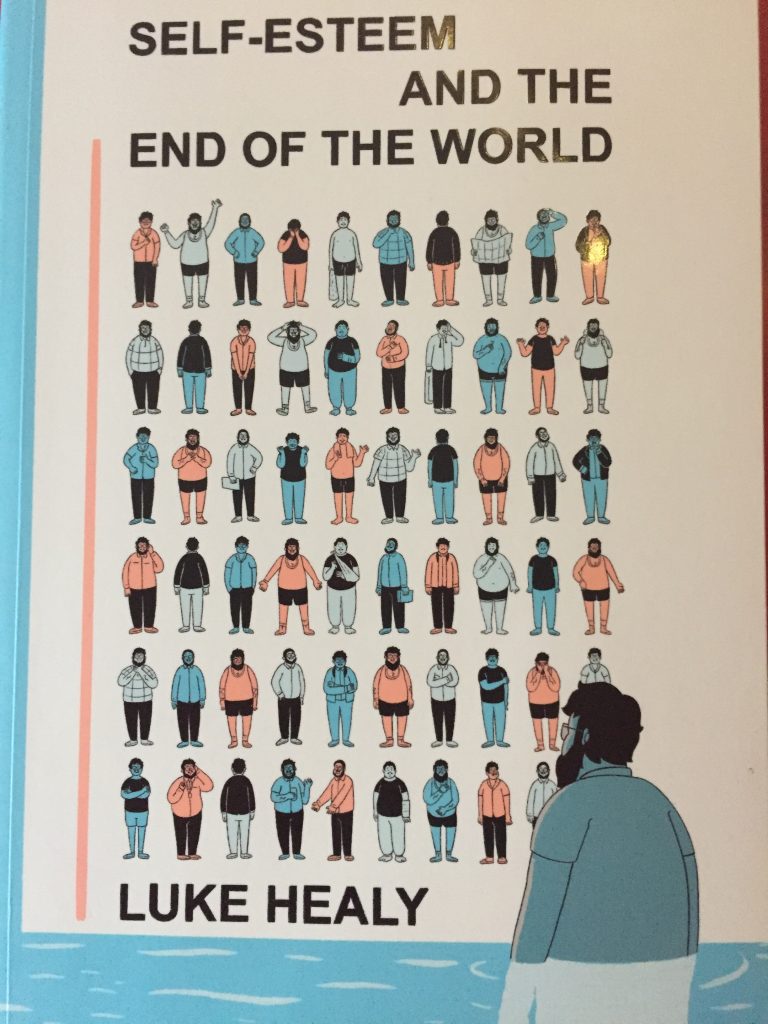
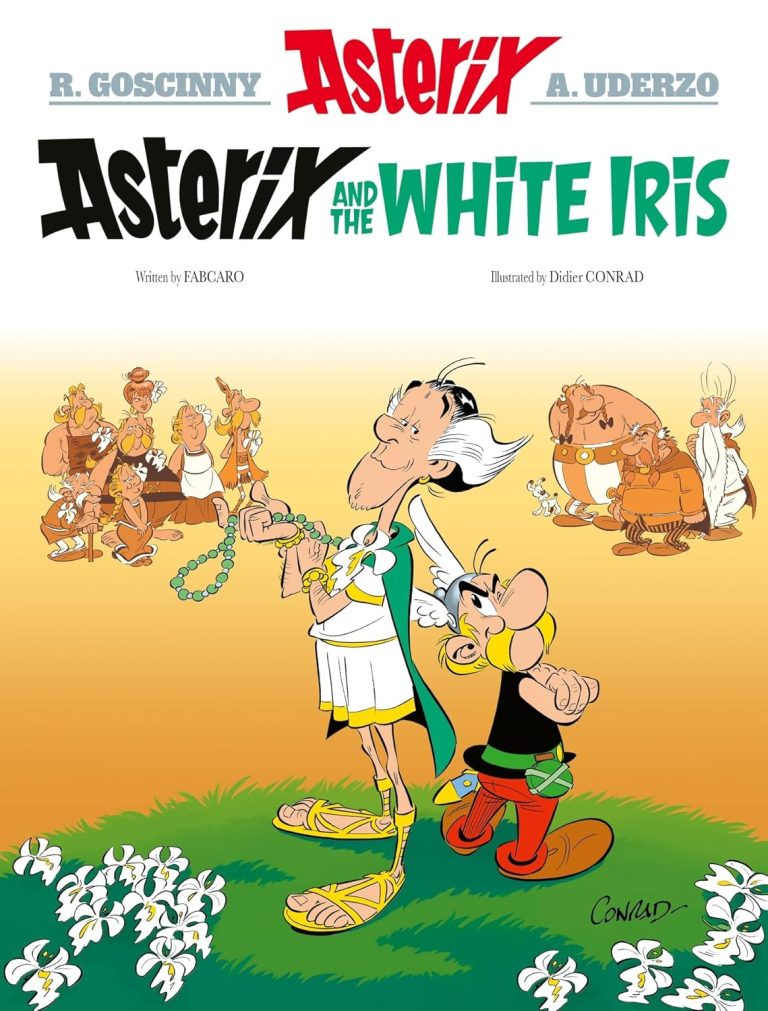
Hagai Palevsky looks at two books with the same title from two very different cartoonists.
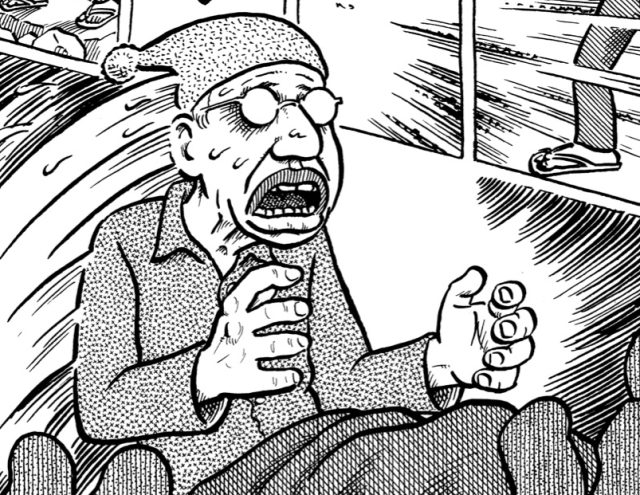
This is the eighth installment of Joe Sacco’s column, “The War on Gaza.”

The author of Masters of the Nefarious talks to Luke Burns.
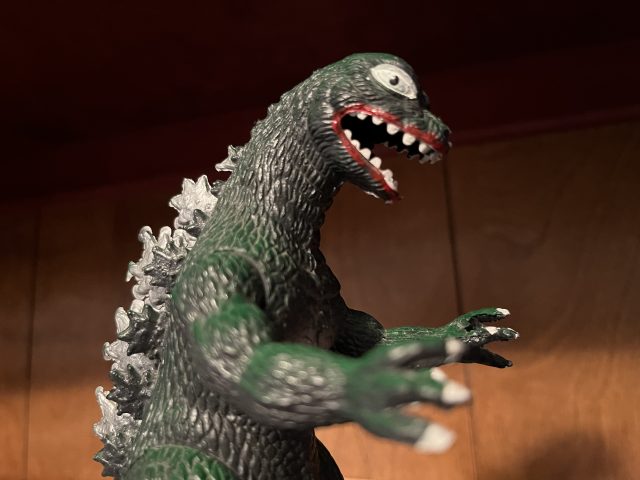
Our collective perception of time remains a reassuring and/or terrifying constant.
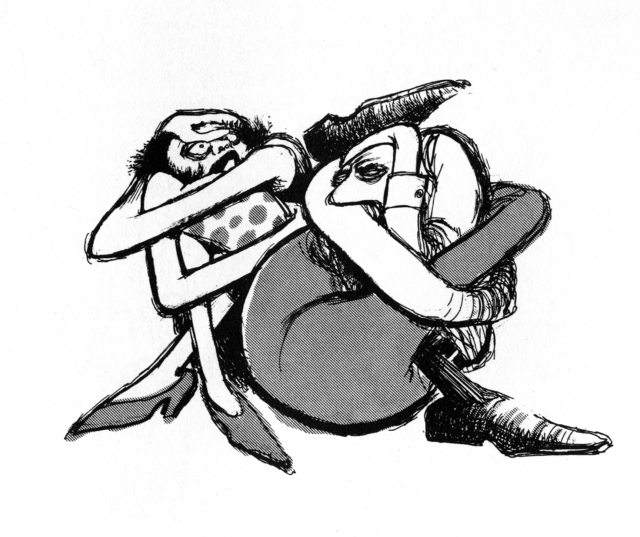
Wright, a two-time Pulitzer Prize winner, who spent years skewering the powerful in the pages of the Palm Beach Post, died March 24 at his home in West Palm Beach, Fla. He was 90 years old.

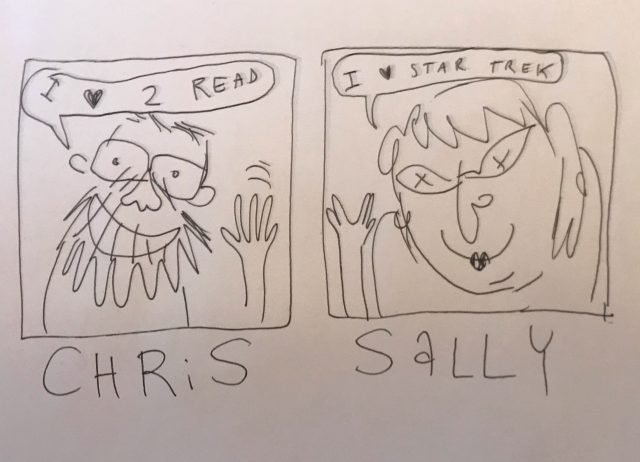
Hello all, welcome and thank you for joining us on this latest junket of the Comics Journal website.
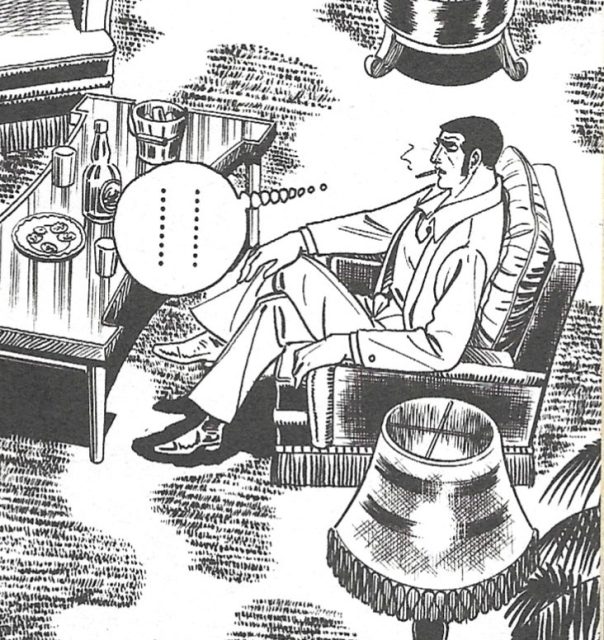

Jason Bergman interviews Jay Stephens, a longtime indie comics practitioner enjoying a new wave of appreciation for his throwback horror series Dwellings.
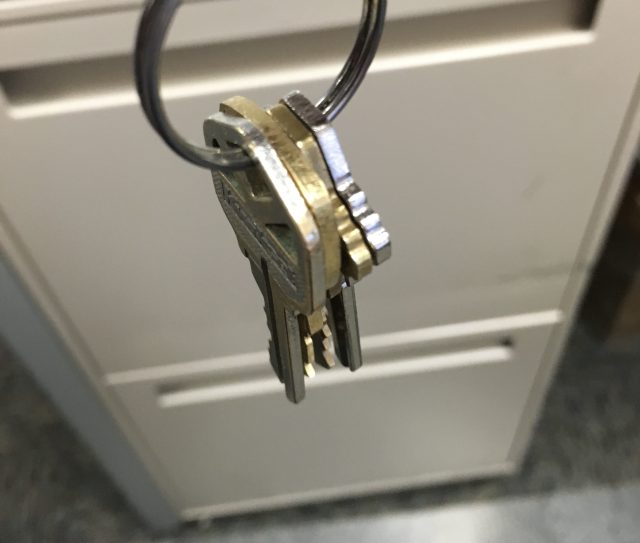
Fine! If that’s how you feel, I’ll never write these post descriptions again! Goodbye! (Slams door.) (Peeks through.)

A tale of two Ronin, comparing the 1983-84 Frank Miller/Lynn Varley original with Miller’s 2022-24 sequel, made in collaboration with Philip Tan & Daniel Henriques.


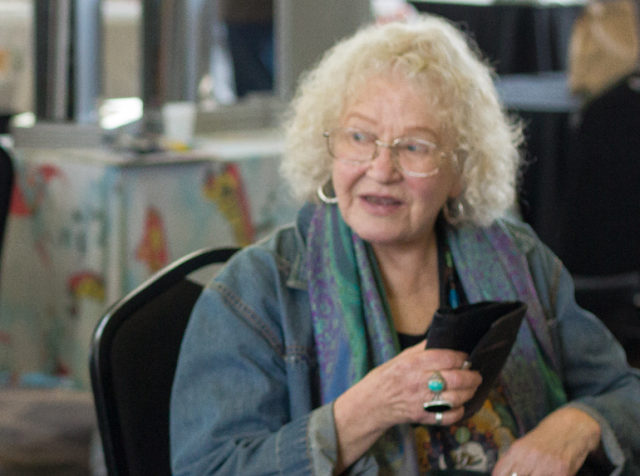
We are pleased to present a never-before-seen interview with Trina Robbins, perhaps the late artist’s final longform interview, conducted by Zach Rabiroff in December of 2023 on the topic of Jewishness in Robbins’ comics and comics history.
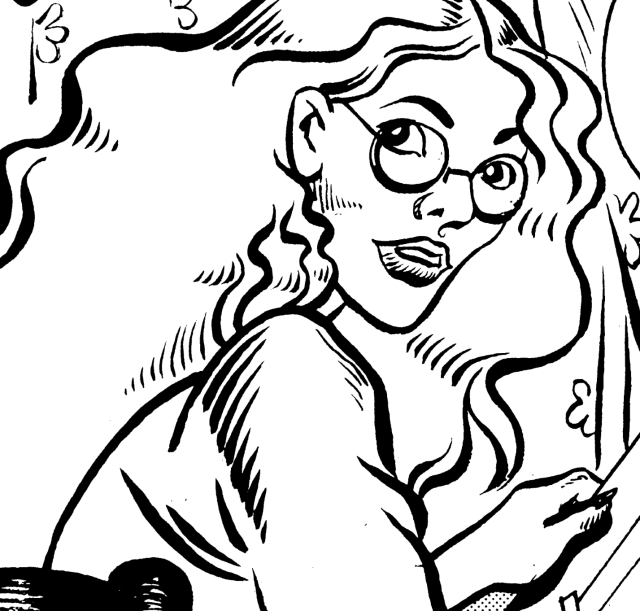
An obituary for Trina Robbins, artist and historian, who passed away in San Francisco on April 10 at the age of 85.

Hello, I am here to collect the comics tax! (Panels vanish depending on one’s income bracket.)
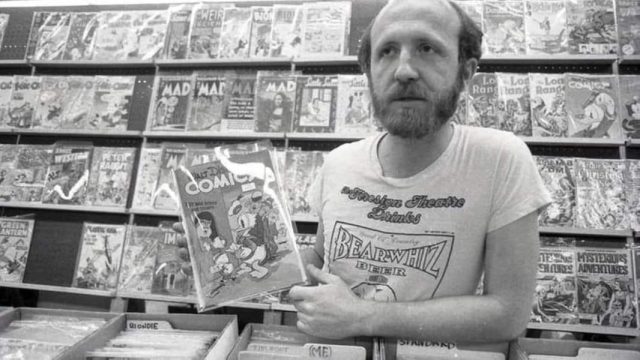
Following the death of American comic book retailer and historian Robert Beerbohm on March 27, 2024, we reached out to notable comics academics, writers and historians and asked them to share their memories of him.
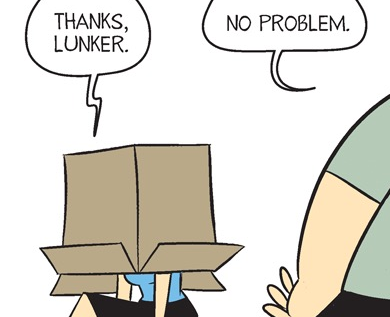
William Schwartz speaks with cartoonist Norm Feuti about Retail, a daily strip about day-to-day work that ran from 2006 to 2020.
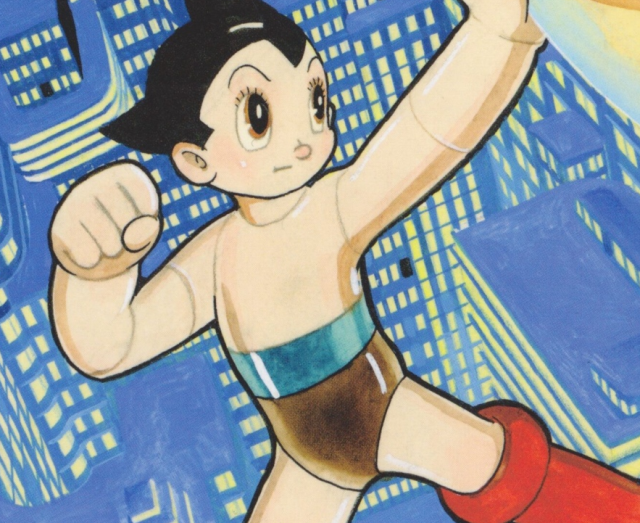
In this new translation of a 2022 essay, Natsume Fusanosuke muses on the elusively erotic quality of Osamu Tezuka’s Astro Boy, and the force of Tezuka’s personality that shaped the very idea of manga history.

It’s back: YOUR favorite monthly column of small-press and self-published capsule reviews by RJ Casey. Why is it 80 degrees out in April?!
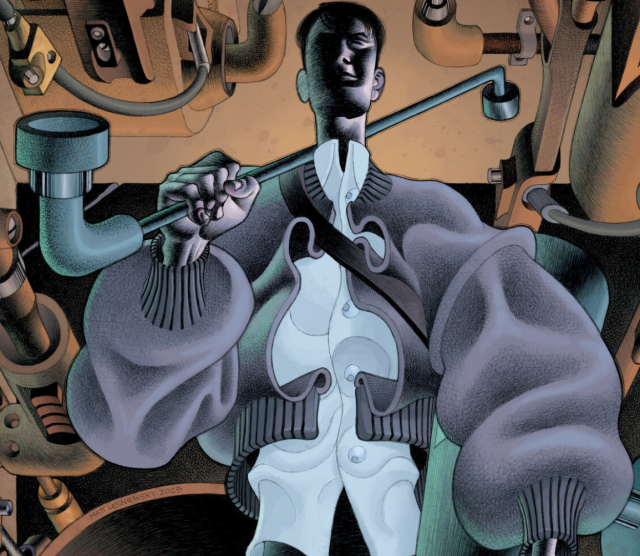
Jake Zawlacki talks to artist Matt Lesniewski about his ascendant career, his interests in storytelling, and his recent series Faceless and the Family.

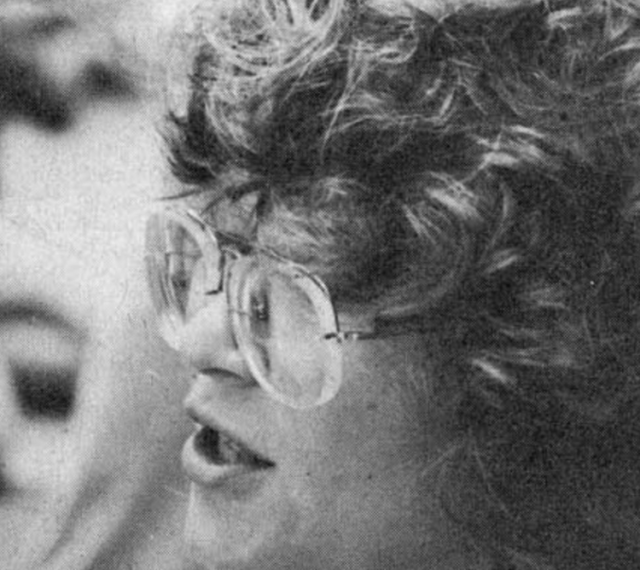
In this vintage interview from The Comics Journal #53 (Winter 1980), Bill Sherman speaks with the cartoonist Trina Robbins (1938-2024) about a life in underground comics as the ’70s drew to a close.
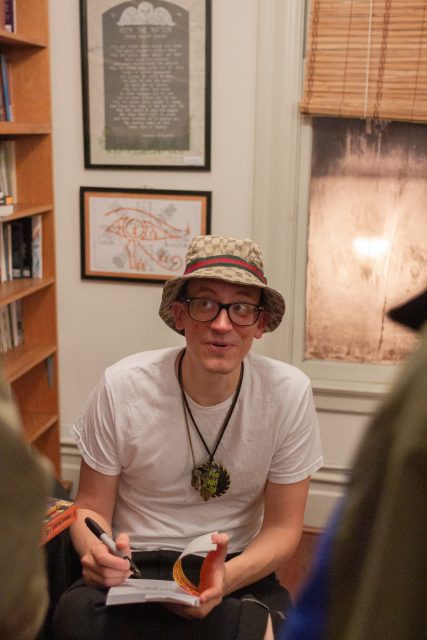
Cartoonist Katie Skelly pens an obituary for Ed Piskor, author of popular series such as Hip Hop Family Tree, X-Men: Grand Design and Red Room, and co-creator of the influential YouTube channel Cartoonist Kayfabe. Piskor died on April 1, 2024, aged 41.
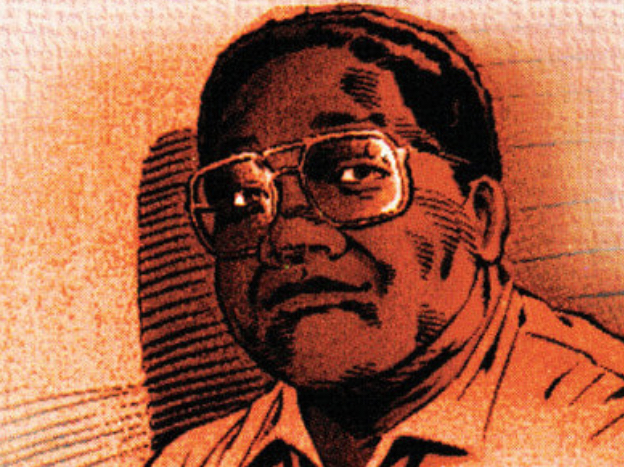
Remembering a sturdy and humane craftsman who co-created several prominent off-kilter superhero projects of the 1990s; Mark D. Bright died on March 27, 2024, aged 68.


